
Whole Home Audio Setup: Revolutionizing Sound in the US
Whole home audio systems have transformed how people experience sound in their living and working spaces. These systems deliver seamless, high-quality audio throughout an entire property. They offer convenience, flexibility, and an immersive sound experience that traditional setups cannot match. This post explores how whole home audio systems are changing sound in the US, focusing on practical insights and actionable advice for homeowners, builders, and small businesses.
What Is a Whole Home Audio Setup?
A whole home audio setup connects multiple speakers and audio sources across different rooms or zones. Instead of having separate sound systems in each room, one central system controls all audio playback. This setup allows users to play the same music everywhere or different audio in each room.
The system typically includes:
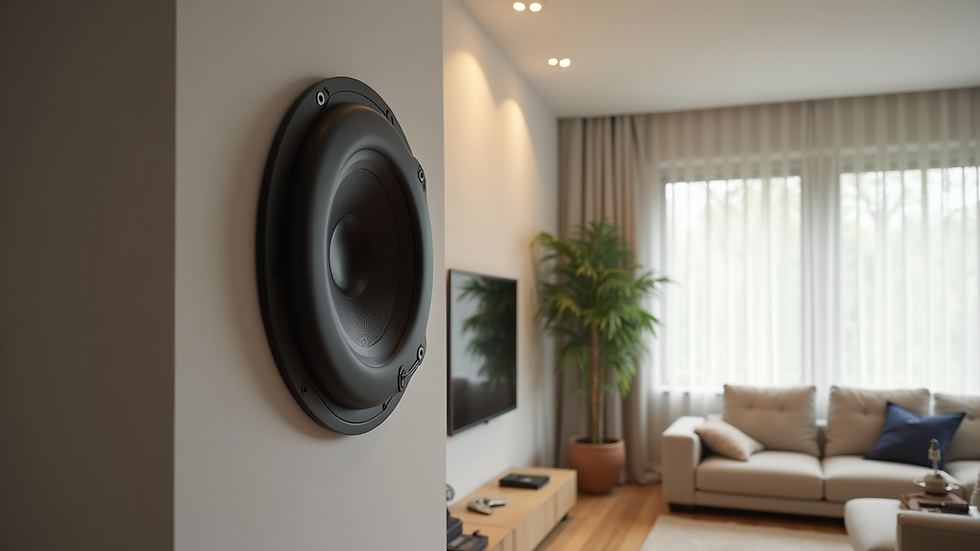
Speakers installed in ceilings, walls, or placed on shelves
Amplifiers to power the speakers
Audio sources like streaming devices, radios, or media players
Control interfaces such as wall panels, smartphone apps, or voice assistants
This design eliminates the need for multiple devices and wires cluttering the space. It also provides a clean, integrated look and feel.
Benefits of a Whole Home Audio Setup
Whole home audio systems offer several advantages that make them appealing for various properties:
1. Convenience and Control
Users can control music or audio from a single device or app. This means adjusting volume, changing tracks, or switching zones happens effortlessly. Voice control integration adds another layer of ease.
2. Customizable Sound Zones
Different rooms can have different audio settings. For example, the kitchen might play upbeat music while the bedroom has calming sounds. This flexibility suits diverse preferences and activities.
3. Clean and Unobtrusive Design
Speakers can be hidden in ceilings or walls, preserving the room’s aesthetics. This is especially important for builders and designers aiming for a minimalist look.
4. Enhanced Property Value
Installing a whole home audio system adds modern appeal and functionality. It can increase the property’s market value and attract tech-savvy buyers or tenants.
5. Scalability
Systems can start small and expand over time. Adding more speakers or zones is straightforward, making it a future-proof investment.
How to Plan Your Whole Home Audio Setup
Planning is key to a successful whole home audio installation. Here are some steps to consider:
Assess Your Space and Needs
Identify which rooms or areas need audio coverage.
Decide if you want the same audio everywhere or different zones.
Consider the size and layout of each room for speaker placement.
Choose the Right Equipment
Select speakers that match your room’s acoustics and design.
Pick amplifiers and audio sources compatible with your control system.
Look for systems that support wireless or wired connections based on your preferences.
Plan Wiring and Installation
For new builds, plan wiring routes early to avoid costly retrofits.
For existing properties, consider wireless options or professional installation to minimize disruption.
Ensure power sources and network connections are accessible.
Set a Budget
Determine how much you want to invest.
Balance quality and features with cost.
Remember that professional installation may add to expenses but ensures optimal performance.

The Growing Popularity of Whole Home Audio Systems in the US
The US market has seen a significant rise in whole home audio adoption. Factors driving this trend include:
Increasing demand for smart home integration
Advances in wireless technology and streaming services
Greater awareness of home entertainment options
More affordable and user-friendly systems
Many homeowners and small businesses now seek solutions that provide consistent, high-quality sound without complicated setups. Builders also recommend whole home audio systems to clients looking for modern amenities.
For those interested in exploring options, whole home audio systems us offers a range of solutions tailored to different budgets and spaces.
Tips for Maintaining and Upgrading Your System
To keep your whole home audio system performing well, follow these tips:
Regularly update software and firmware to access new features and security patches.
Clean speakers and components gently to avoid dust buildup.
Test audio zones periodically to detect any issues early.
Consider adding new zones or upgrading speakers as technology evolves.
Consult professionals for complex upgrades or troubleshooting.
Enhancing Your Space with Whole Home Audio
A well-designed whole home audio setup can transform any property. It creates an inviting atmosphere for relaxation, work, or social gatherings. Whether it’s background music during dinner or immersive sound for movie nights, the system adapts to your lifestyle.
Builders and small businesses can also benefit by offering clients or customers a superior audio experience. This can improve satisfaction and set properties apart in competitive markets.
By choosing the right system and planning carefully, anyone can enjoy the advantages of whole home audio.
Next Steps for Your Audio Journey
If you’re ready to explore whole home audio systems, start by evaluating your space and needs. Research equipment options and consider professional consultation for installation. Remember, a good system is an investment that enhances your property and daily life.
For expert advice and tailored solutions in Wake, Durham, and Johnston Counties, reach out to trusted local providers. They can guide you through design, installation, and support to ensure your system works perfectly.
Whole home audio systems are more than just technology - they are a way to bring sound to life throughout your entire space. Embrace this revolution and enjoy sound like never before.


Comments